
Kalamazoo, Battle Creek and Muskegon: Lowest Cost of Living in Michigan
If you've ever wondered whether Michigan is actually a good deal compared to the rest of the country, according to the data, the answer is yes. But what cities in Michigan have the best and worst cost of living in 2026?
Michigan's overall cost of living runs about 7% below the national average in 2026, which is good news for anyone planting roots here in the Great Lakes State, according to Salary.com.
Michigan's 2026 cost of living is $2302 per month for singles and $5068 per month for families of four. Living costs in Michigan are 7% lower than the U.S. national average.
5 Cities in Michigan with the Lowest Cost of Living
5. Kalamazoo

Kalamazoo's overall cost of living is 6.7% lower than the national average.
Cost of living compared to the U.S. average by expense category.
- Housing: -36.4%
- Food: -34.5%
- Energy: -20.5%
- Transportation: -9.3%
- Healthcare: -22.1%

4. Battle Creek

Battle Creek's overall cost of living is 7.1% lower than the national average.
Cost of living compared to the U.S. average by expense category.
- Housing: -36.4%
- Food: -34.5%
- Energy: -20.5%
- Transportation: -9.3%
- Healthcare: -22.1%
3. Saginaw

Saginaw's overall cost of living is 8.9% lower than the national average.
Cost of living compared to the U.S. average by expense category.
- Housing: -34.6%
- Food: -30%
- Energy: -19.6%
- Transportation: -5.3%
- Healthcare: -18.7%
2. Muskegon

Muskegon's overall cost of living is 8.9% lower than the national average.
Cost of living compared to the U.S. average by expense category.
- Housing: -17.3%
- Food: -31.2%
- Energy: -9.7%
- Transportation: -9.3%
- Healthcare: -22.1%
1. Flint
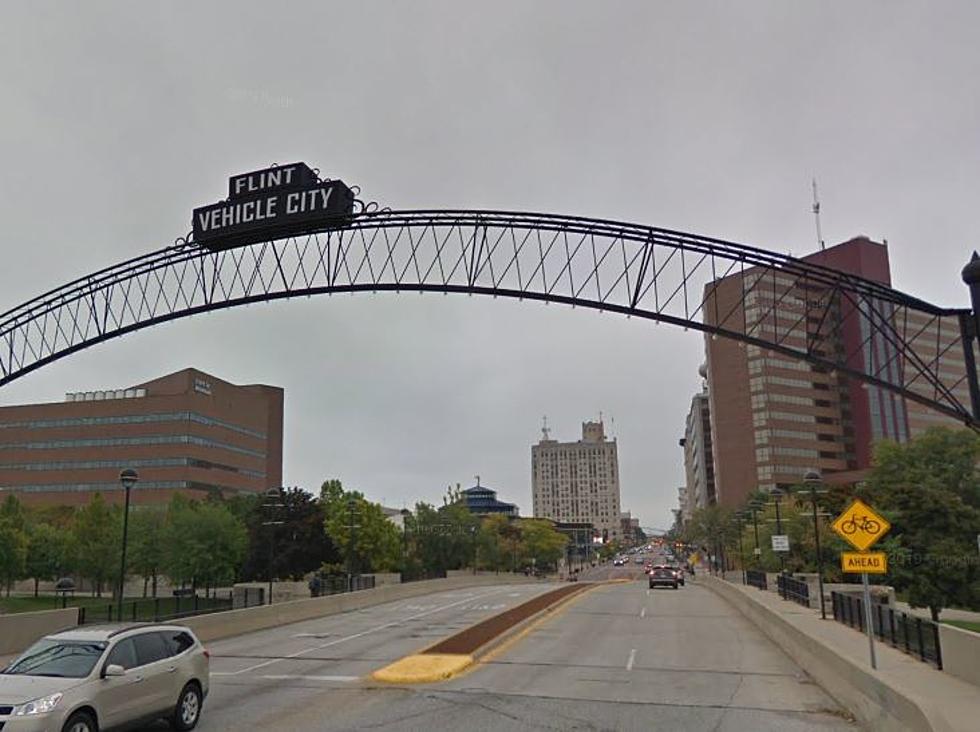
Flint's overall cost of living is 9.4% lower than the national average.
Cost of living compared to the U.S. average by expense category.
- Housing: -34.6%
- Food: -30%
- Energy: -19.6%
- Transportation: -5.3%
- Healthcare: -18.7%
West Michigan really shines with Kalamazoo, Battle Creek, and Muskegon among the 5 lowest cost-of-living cities in Michigan. What cities have the highest cost of living in the Mitten?
9 Cities in Michigan with the Highest Cost of Living
- 9. Grand Rapids' cost of living is 0.60% higher than the national average.
- 8. Wyoming's cost of living is 0.60% higher than the national average.
- 7. Pontiac's cost of living is 1.50% higher than the national average.
- 6. Waterford's cost of living is 2.40% higher than the national average.
- 5. West Bloomfield's cost of living is 2.80% higher than the national average.
- 4. Westland's cost of living is 3.80% higher than the national average.
- 3. Novi's cost of living is 10.60% higher than the national average.
- 2. Canton's cost of living is 10.90% higher than the national average.
- 1. Ann Arbor's cost of living is 11.10% higher than the national average.
LOOK: States with the highest average cost of living
Gallery Credit: Mike Brant
More From WKFR