
A Final Act That Helps Something Grow: Human Composting and Michigan
Human composting isn’t legal in Michigan, but residents can still choose it by arranging the process in another state. Here’s how it works, what it costs, and which states allow it.
For some people, returning to nature means more than having their ashes scattered somewhere beautiful. They want their final act to help something grow.
That’s the idea behind human composting, an alternative to traditional burial and cremation. But can you choose it if you live in Michigan? Yes, with one important catch: The process must happen outside the state.
What Is Human Composting?
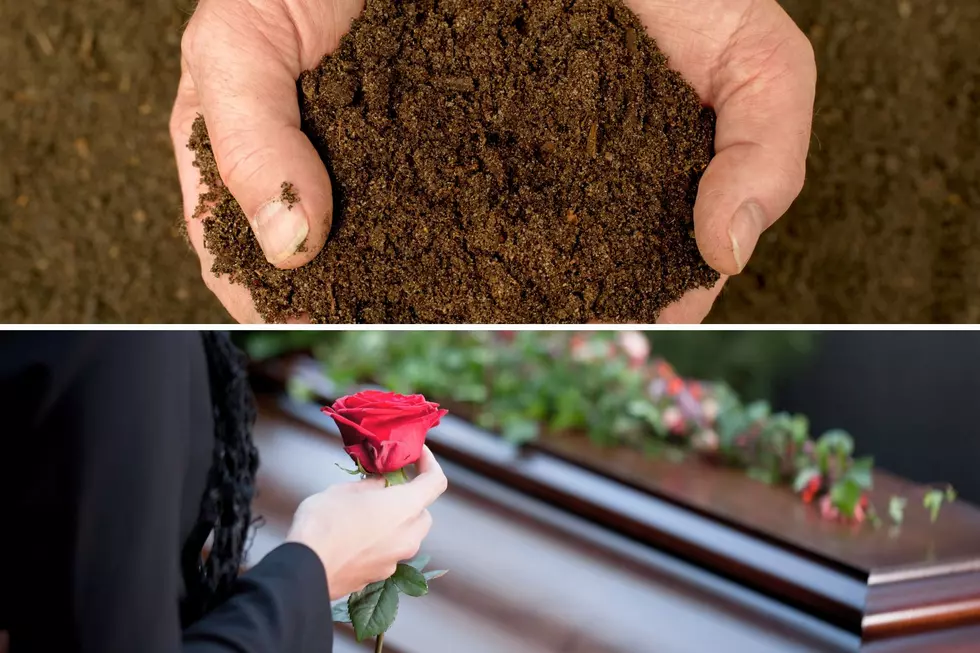
Human composting, also called natural organic reduction, transforms human remains into soil through controlled decomposition.
The body is placed in a specialized vessel with organic materials such as wood chips, straw, and alfalfa. Microbial activity breaks down the remains over several weeks, followed by additional processing and curing. According to the National Funeral Directors Association, the initial transformation typically takes about four to six weeks.
For people who find comfort in the idea of returning to the earth, the appeal is easy to understand.

Why Do People Choose Human Composting?
Supporters see human composting as a way to reduce the environmental impact of end-of-life arrangements. It avoids embalming chemicals and offers a low-emission alternative to conventional burial and flame cremation. The resulting soil can support plant growth.
It can also cost less than some traditional funeral and burial arrangements, although the savings depend on the services selected.
The Michigan Deathcare Collaborative lists human composting costs at roughly $5,000 to $8,000. Transportation and other arrangements can affect the final bill.
Is Human Composting Legal in Michigan?
Michigan has not yet legalized human composting within the state. Advocates are working to change that, but it remains an option Michigan residents must arrange elsewhere.
As Bridge Michigan reports, providers can work with Michigan funeral homes to transport a deceased person to a facility in a state where the process is permitted.
Calling it a “loophole” makes it sound a little sneakier than it is. Families are arranging a service in another state where it is allowed.
Which States Have Passed Human Composting Laws?
The National Funeral Directors Association lists 14 states that have passed laws authorizing human composting:
- Arizona
- California
- Colorado
- Delaware
- Georgia
- Maine
- Maryland
- Minnesota
- Nevada
- New Jersey
- New York
- Oregon
- Vermont
- Washington
There’s an important distinction here: Passing a law doesn’t necessarily mean the service is available immediately. California’s authorization takes effect in 2027, and availability elsewhere depends on regulations and operating providers.

Read More: Have You Seen Ashton Coon? Southwest Michigan Man Reported Missing
Green Burial Is Already an Option in Michigan
Michigan residents interested in a more natural farewell have another option closer to home: green burial, also called natural burial.
Unlike human composting, green burial places the body directly in the ground, typically in a biodegradable shroud or container, without embalming chemicals. The body decomposes naturally at the burial site rather than inside a specialized vessel.
Green burial is legal in Michigan, according to Bridge Michigan. Families interested in it should ask prospective cemeteries about their burial requirements and available options.
Whether your preference is a traditional funeral or a return to nature, having the conversation ahead of time gives your family something valuable: knowing what you wanted.
10 Most Common Causes of Death in Michigan for 2026
Gallery Credit: Scott Clow
Alzheimer's Deaths by County in Michigan
Gallery Credit: jrwitl
More From WKFR